Home renovation is complex, expensive, and unforgiving of poor coordination. Renovation project managers exist to prevent the chaos that derails timelines, inflates budgets, and produces disappointing results. Here’s what they do, why they matter, and how to find the right one for your next project.
What Does a Renovation Project Manager Actually Do?
A renovation project manager oversees a home remodel from start to finish-serving as the person responsible for turning your design vision into a completed, code-compliant home. In the context of home renovation and custom build work, this role is specifically residential: coordinating architects, interior design consultants, and multiple trade partners across plumbing, electrical, carpentry, tile, and more.
A renovation project involves managing permits, inspections, and contractor schedules-all while keeping design intent intact. The project manager acts as the main point of contact between homeowners and contractors, handling questions and decisions so the homeowner isn’t buried in daily logistics.
Core responsibilities include:
- Scheduling trades: Sequencing demolition, rough-ins, drywall, and finish work so no crew sits idle.
- Material procurement: Ordering cabinets, tile, fixtures, and tracking delivery dates against the schedule.
- Permits and inspections: Securing permits and coordinating required municipal sign-offs.
- Cost tracking: Monitoring actual costs against project budgets throughout every phase.
- Day-to-day problem solving: Fielding questions from trades, resolving conflicts, and keeping the entire process moving.
Some general contractors handle all of this themselves. Others, particularly design build firms, assign a dedicated project manager to run the job. In smaller outfits, the GC may double as PM-or worse, no one fills the role at all.
Consider a typical house renovation: a 1,800 sq ft 1960s home getting a full remodel. The PM assesses existing systems, coordinates structural modifications in the kitchen, aligns finish selections with lead times, manages framing and rough-in inspections, and drives the final punch list before occupancy.
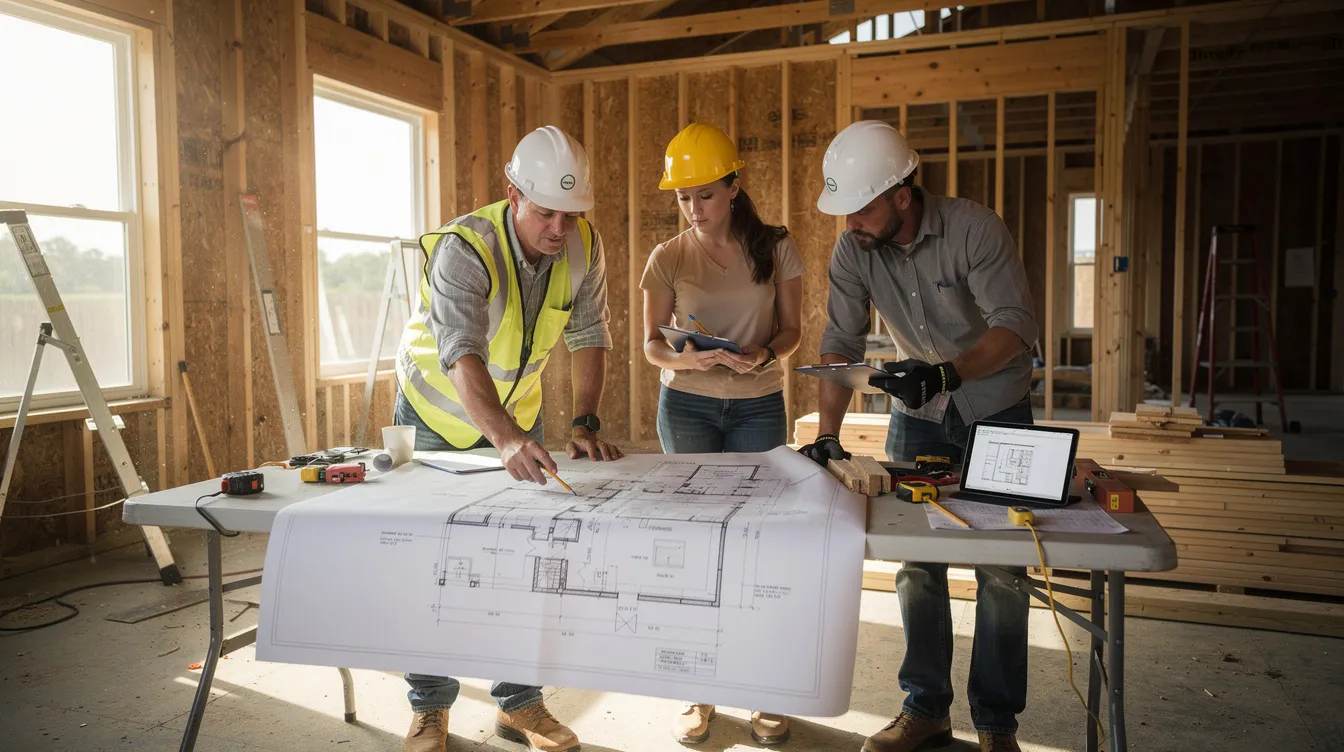
Project Manager vs. Contractor: Who Runs Your Renovation?
Homeowners frequently confuse these roles, and the confusion costs money. Understanding who is accountable for what protects your interests on your next project.
A general contractor supplies labor, hires subcontractors, purchases materials, and executes construction work under contract. Their focus is building what’s specified. A renovation project manager, by contrast, oversees planning, scheduling, stakeholder communication, risk, and quality on behalf of the homeowner. They may sit inside the GC’s company or operate independently.
Renovation projects often require managing multiple contractors and skilled trades-and miscommunication with contractors can slow down project progress significantly. Here’s how the responsibilities differ in practice:
- Change orders: The GC implements them. The PM ensures they’re documented, costed, and approved before execution.
- Budget tracking: The GC provides estimates. The PM compares actual costs to projections and flags variances.
- Inspections: The GC facilitates compliance. The PM confirms inspections happen at every required hold-point.
- Punch lists: The GC completes the work. The PM logs defects, prioritizes corrections, and withholds final payment until standards are met.
Reputable design build firms typically include a dedicated project manager. Smaller contractors may leave the homeowner to fill that gap.
Scenario: In a kitchen remodel without a clear PM, electrical rough-ins conflict with cabinet layout, inspections stall, and materials arrive with nowhere to go. With a PM, the layout is locked before rough-in begins, permits are pulled in advance, and weekly check-ins catch a missing appliance order before it blocks countertop installation.
Core Responsibilities of a Renovation Project Manager
Effective project management touches four axes on every home renovation: time, money, quality, and communication. Project managers oversee schedules, scope, and quality control to keep all four aligned.
Scope management: The PM defines what’s included-rooms, finishes, structural changes-and controls scope creep. Every change is documented as a formal change order, costed, and approved before execution.
Schedule management: They establish realistic project timelines and maintain construction schedules from demolition through final walkthrough. They coordinate contractor schedules and material orders, aligning trades so dependencies are respected-framing before rough-ins, rough-ins before drywall, drywall before paint.
Cost control: Budget management includes preparing cost estimates and tracking expenses tightly. They manage budgets to prevent overspending and unexpected costs, flagging potential budget overruns before they become irreversible.
Risk management: In older homes, hidden issues-asbestos, outdated wiring, water damage-surface frequently. The PM builds contingency plans and manages project costs proactively.
Communication: Effective communication is critical for renovation project success. Project managers maintain communication with all stakeholders involved. Stakeholder communication includes homeowners, contractors, and architects. Regular updates keep stakeholders aligned with project progress through consistent communication, and weekly check-ins ensure expectations align with ongoing progress. The PM serves as the single point of contact, fostering clear communication across every party.
Punch list management: Near completion, the PM logs defects with photos and notes, prioritizes corrections, schedules trades for repairs, and confirms resolution before releasing final payment. This is how they manage punch lists to protect the homeowner’s investment.
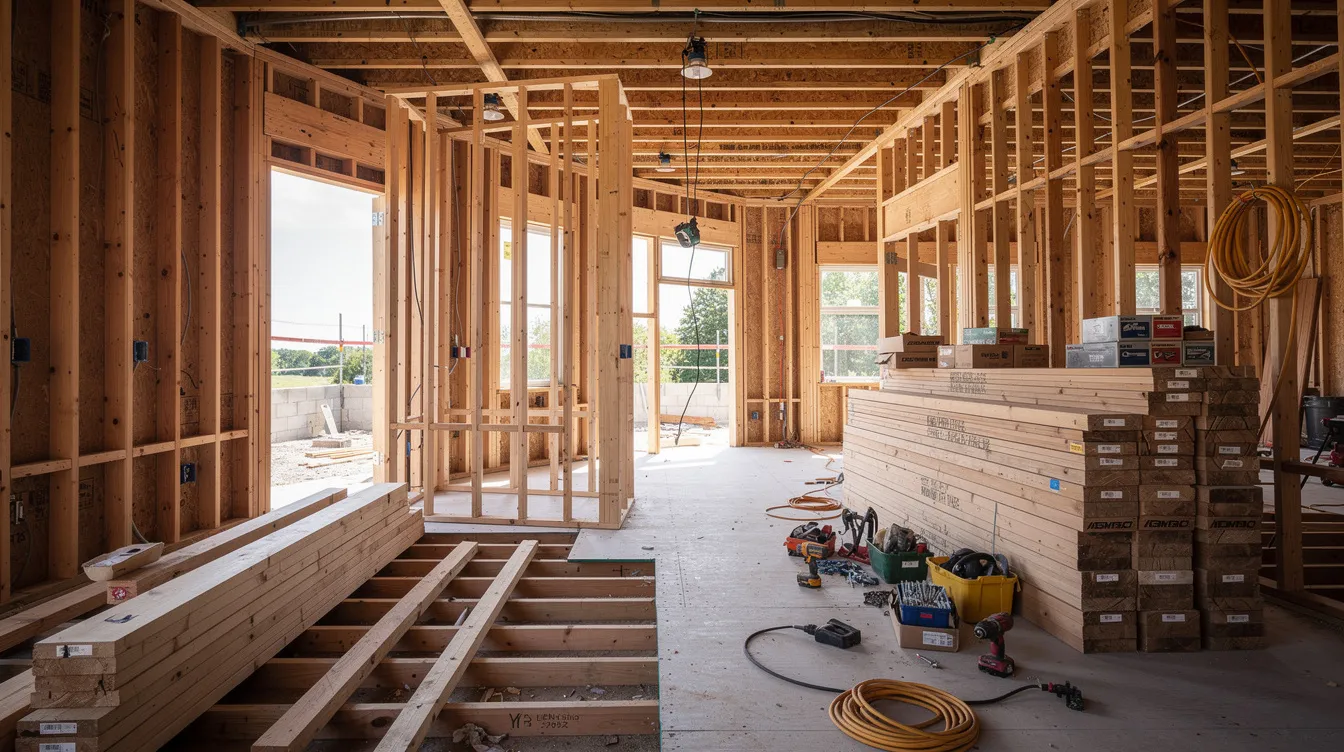
How Project Managers Keep Your Renovation on Time and On Budget
Delays and budget overruns are the biggest fears for most homeowners-and statistically justified. Roughly 90% of renovation projects exceed initial cost estimates, making disciplined management non-negotiable.
A renovation project manager builds a realistic schedule that accounts for lead times on custom cabinets, imported tile, and specialty fixtures-items that may need ordering months in advance. They use visual planning tools like Gantt charts to sequence phases (framing, rough-ins, drywall, finish work) and identify critical-path tasks whose delay would cascade through the entire project.
For budget discipline, PMs obtain multiple quotes, lock pricing where possible, and compare spending against projections regularly. Daily expense tracking helps compare spending against the budget, and project managers track actual costs against budgeted costs throughout every phase. Effective budgeting prevents overspending and minimizes unexpected costs.
Allocate an extra 10–15% of the total budget for unexpected expenses. Unexpected structural repairs can strain renovation budgets, and the PM determines when to tap contingency funds versus adjusting scope.
Example: During a 2025 bathroom remodel, the homeowner requested moving plumbing lines to accommodate a new vanity layout. The PM caught this design change before rough-in, obtained an updated quote, and rescheduled the plumber-minimizing both delay and cost. Without that intervention, the change mid-stream would have doubled expenses. Delays often stem from design changes or poor planning, and effective renovation project management can prevent costly delays by coordinating all tasks. Problem-solving involves addressing unexpected issues while minimizing budget impacts.
Proactive communication about delays-a back-ordered appliance, a weather event-lets homeowners make quick decisions and avoid cascading schedule slips through clear communication.
Construction Management on Site: Safety, Quality, and Compliance
On-site construction management is fundamentally different from desk-based project management. It requires boots on the ground, sharp eyes, and the authority to stop work when standards aren’t met.
The PM makes regular site visits-often daily or several times per week-to check progress against plans, inspect workmanship, and confirm trades are following agreed design build documentation. Regular quality control is essential to inspect work and catch defects early, before finishes cover structural or mechanical problems.
Renovation project managers should have a strong understanding of residential construction standards to evaluate what they see on site. They ensure high-quality results by managing standards and inspections, and they track material deliveries to avoid construction delays.
Safety management includes protecting workers, homeowners, children, and pets from construction hazards-dust control, noise mitigation, safe storage of tools and materials, and adherence to safety standards throughout.
Compliance: The PM ensures compliance with local building codes by confirming inspections occur at every required milestone-electrical rough-in, framing, waterproofing, and final occupancy. Project managers ensure compliance with building permit codes so no shortcuts create future liability.
Quality checks at milestones:
- Slab and framing tolerances
- Waterproofing membranes in bathrooms and kitchens
- Tile layout alignment
- Finish carpentry and paint quality
Transparency about challenges maintains trust among stakeholders. The PM documents issues with photos and written notes, then works closely with trade partners to correct defects before they become costly rework. Strong construction management during the build phase reduces warranty claims and post-move-in problems.
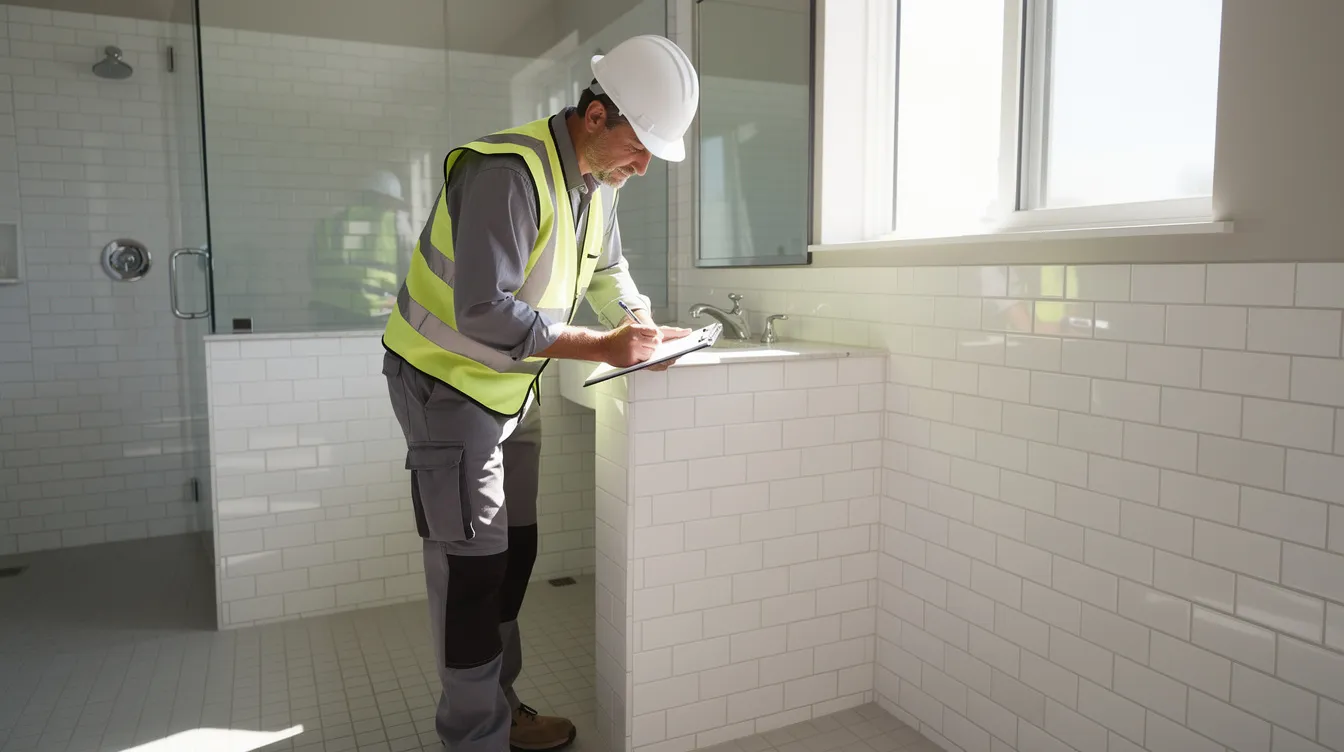
Technology and Tools for Modern Renovation Project Management
Digital tools now play a pivotal role in renovation project management, giving homeowners real-time visibility into their home improvement project that was impossible a decade ago.
Cloud-based project management software used in construction typically offers shared calendars, task lists, progress photos, document storage, and financial dashboards. Homeowners log in from phone or laptop to see schedule updates, daily logs, and budget status for their home renovation.
Using modern project management software enhances tracking and reduces human error. Centralized communication inside these platforms keeps discussions, approvals, and change orders in one place-eliminating lost texts and fragmented email threads. Digital selections lists for fixtures, paint colors, and flooring reduce errors and prevent last-minute material shortages during material procurement.
For managing vendors, management software provides automated reminders for delivery dates, tracks lead times, and ensures resources are available before trades are scheduled. According to a recent industry survey, roughly two in three renovation professionals report that mid-project changes lead to budget overruns in many or most projects-making tools that manage change orders especially valuable.
Example: A PM using project management software noticed a cabinet order for a key section hadn’t been placed two weeks before installation. They intervened, expedited the order, and rescheduled trades to avoid idle time. Without that software alert, the delay would have cascaded through plumbing, countertop, and finish schedules.
Do You Need a Project Manager for Your Home Renovation or Custom Build?
If your renovation involves structural changes, multiple rooms, or a custom build, hiring a renovation project manager almost always pays for itself. A renovation project manager reduces homeowner stress by handling daily project chaos, and hiring a project manager streamlines the renovation process end to end.
Projects that strongly benefit from project management services:
- Full-house renovation or home remodeling
- Multi-room remodels with overlapping trades
- Structural changes (load-bearing walls, foundation work)
- Custom build homes
- Historical restorations with code complexity
A small cosmetic project-repainting, a simple flooring swap-may not require a formal PM if you have trusted trade partners and personal availability. But for anything beyond that, the hidden cost of self-managing is substantial: time away from work, decision fatigue, inexperience with permits and construction sequencing, and higher risk of cost overruns.
Project managers help prevent costly mistakes during renovations. They mitigate risks by identifying potential hurdles early and maintain budget control to prevent overspending. Strong leadership skills are necessary for a project manager to motivate subcontractors and keep execution on track.
Fee structures vary: a percentage of construction cost (typically 5–15%), a flat fee, or built into a design build contract. With Americans spending roughly $526 billion on home improvements in early 2026, the investment in professional management represents a fraction of what poor coordination can cost.
Case study: A 2024 combined kitchen and bathroom renovation stalled mid-project-cabinet layouts changed after plumbing was roughed in, tile orders delayed, electrical held up by late fixture selections. When an experienced project manager was brought in, they froze selections, rescheduled trades, and expedited orders. The project finished one week ahead of revised schedule and 12% under worst-case estimates. With a PM from the start, those delays and re-orders would have been avoided entirely.
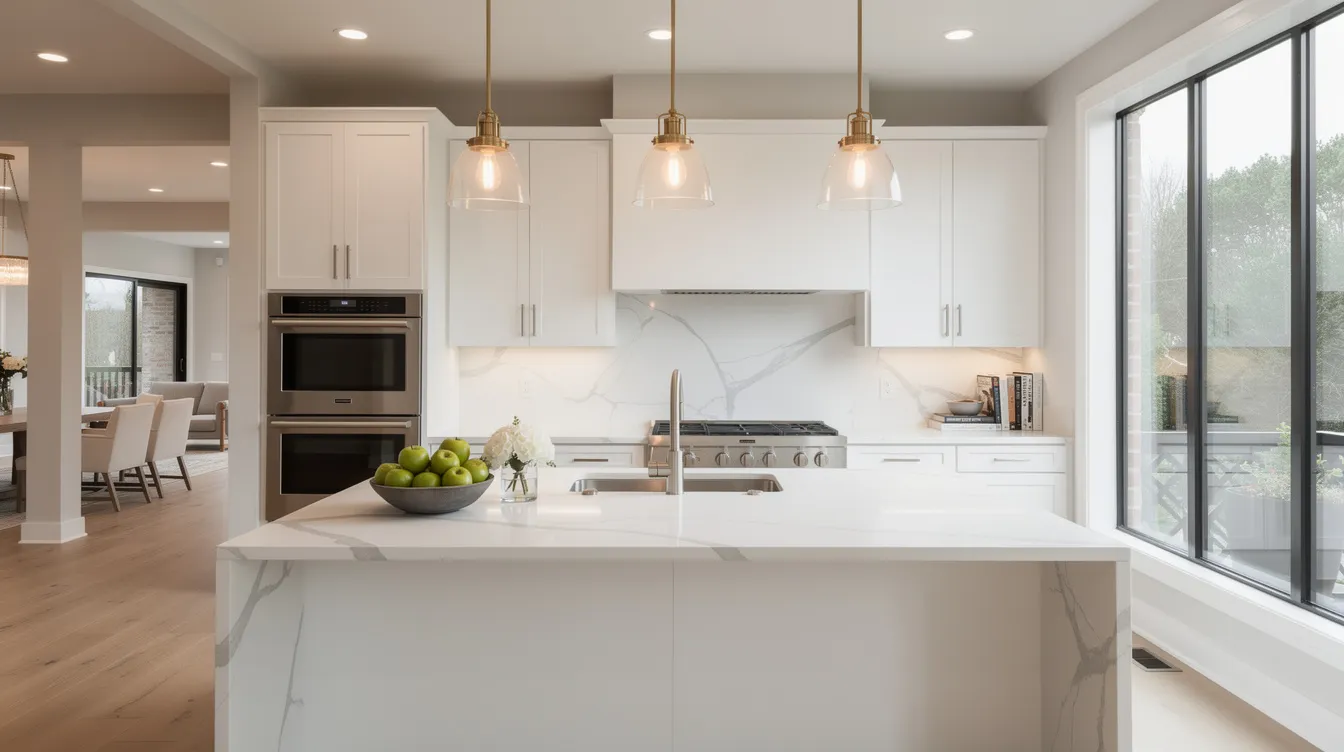
How to Choose the Right Renovation Project Manager
The person managing your house renovation has as much impact on the outcome as the design itself. Get this right first.
Credentials and experience to look for:
- Background in construction management with at least five years in residential work
- Track record with similar home improvement scopes (size, age of homes, project type)
- Local permitting knowledge and code familiarity
- Qualities of a renovation project manager include strong communication and organization skills
Questions to ask in interviews:
- How do you handle budget overruns or unexpected costs mid-project?
- What’s your communication schedule-regular meetings, written reports, platform access?
- How do you manage punch lists at completion?
- What project management software do you use, and what visibility do homeowners get?
Strong references and recent project photos from the last two to three years matter more than generic marketing claims. Ask to speak with previous clients about client satisfaction, responsiveness, and how well the PM met the client’s expectations.
Check for written processes: sample project schedules, reporting templates, escalation paths when problems arise. An experienced project manager will have these ready without hesitation.
Personal fit matters. Responsiveness, clarity, willingness to explain options, and respect for your design style and budget all determine whether the relationship supports a successful renovation or creates friction.
Start discussions at least three to six months before a major project to secure availability. That lead time allows thorough planning, quality assurance processes, and proper material procurement before construction begins.
Planning Your Next Project with a Renovation Project Manager
If you’re considering a renovation in the next six to eighteen months, the planning you do now determines how smoothly your new project runs.
Early steps with a project manager typically include an initial consultation, a site visit, discussion of goals and interior design preferences, and establishing a rough budget range. From there, concept drawings and layout options are refined into a detailed scope of work and preliminary estimate-your project plan.
The PM then creates a master schedule that locks in key decision deadlines-appliance selection, fixture orders, finish confirmations-well ahead of construction start. This proactive planning is what separates a successful project from one that drifts.
The homeowner’s role in effective project management is real: timely decisions, clear feedback, and prompt approvals on design and change orders keep the project runs smoothly. Property managers and builders alike depend on homeowner responsiveness to maintain momentum.
Thoughtful pre-construction planning in partnership with a project manager leads to smoother execution, fewer surprises, better builders on your team, and a final result that meets your standards. The entire process-from first conversation through completion-benefits from that early collaboration.
Before finalizing any contractor agreements or committing to a new project scope, speak with a renovation project manager. That single conversation can shape a realistic schedule and budget from day one-and set the foundation for a home you’re proud of for years to come.