Commercial construction delays can quickly increase project costs, disrupt operations, and push back occupancy dates. While some delays are unavoidable, many can be prevented through proper planning, experienced project management, and proactive communication. Whether you’re planning a tenant improvement, office build-out, warehouse, or ground-up commercial development in Southern California, understanding the most common causes of delays can help keep your project on schedule.
In this guide, we’ll cover the biggest factors that impact commercial construction timelines and the strategies experienced contractors use to minimize risk.
What Causes Commercial Construction Delays?
Every commercial construction project faces unique challenges, but most schedule overruns can be traced back to a handful of recurring issues. Delays often begin long before construction starts, making preconstruction planning just as important as the building phase itself.
The most common causes include:
- Permitting delays
- Material shortages
- Labor availability
- Unforeseen site conditions
- Scope changes
- Poor communication
- Inadequate project planning
Understanding a Typical Commercial Construction Timeline
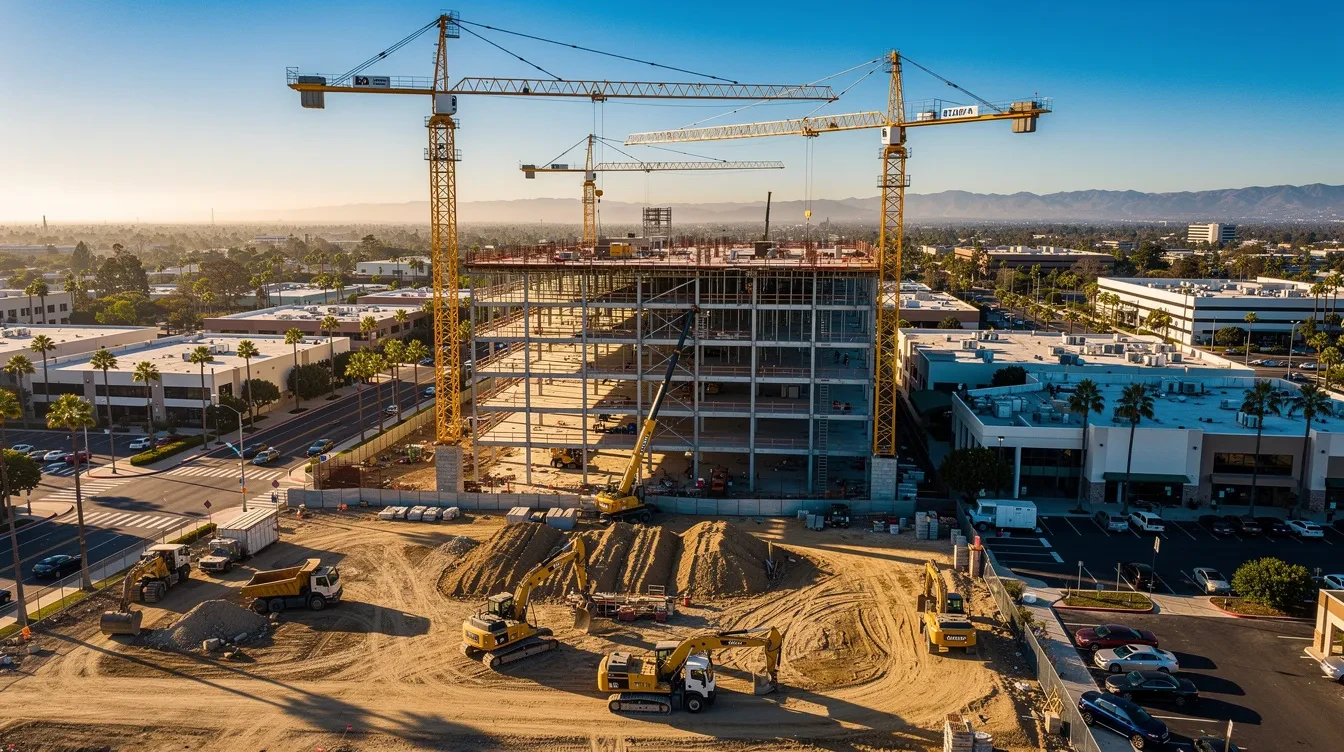
In Southern California, construction timelines are influenced by project scope, complexity, supply chain disruptions, and labor shortages. Small tenant improvements may wrap in two to four months of active work, while mid-size ground-up buildings typically run eight to fourteen months. Large mixed-use or hospitality developments routinely exceed eighteen months from concept to occupancy.
The full commercial construction timeline includes the initial phase (site selection and feasibility), a planning phase (design, budgets, and permits), active construction, and commissioning or closeout. Most commercial construction delays stem from permitting bottlenecks, material shortages, labor availability issues, weather, and late scope changes.
How Long Does Commercial Construction Take by Project Size?
These baseline ranges assume no major project delays and standard permitting cycles. Constructing larger structures usually takes longer and is more prone to changes.
| Project Type | Typical Size | Duration (Design Through Completion) |
| Small TI / light remodel | 1,500–10,000 SF | 8–16 weeks construction + 6–10 weeks pre construction |
| Warehouse shell | 15,000–60,000 SF | 6–10 months |
| Single-story office building | 10,000–40,000 SF | 9–13 months |
| Hotel | 50,000+ SF | 14–22 months |
| Large mixed-use / medical | 60,000+ SF | 18–30+ months |
Preconstruction typically adds two to five months to timelines before breaking ground. The project’s size, system complexity (commercial kitchens, clean rooms), and the number of stakeholders all expand or compress the schedule. Treat these as planning benchmarks and add contingency time for the permitting process, long-lead materials, and inspection scheduling to set realistic expectations.
Phases of a Commercial Construction Project Timeline
Project phases are designed to ensure project feasibility, compliance, and quality. Here is how each stage unfolds from an owner’s perspective.
Initial Planning & Feasibility
Every successful commercial project begins with careful planning. During this phase, the project team evaluates the site, establishes the project budget, defines the scope of work, and determines overall feasibility. Zoning requirements, environmental studies, financing, and project goals are addressed before design work begins. Investing time in preconstruction planning helps identify potential challenges early and reduces costly delays later in the project.
Design, Permitting & Preconstruction
Once the project scope is established, architects and engineers develop construction documents while permits are submitted for approval. This stage also includes budgeting, value engineering, subcontractor bidding, procurement planning, and scheduling. Because permitting timelines vary throughout Southern California, this phase often has the greatest impact on the overall project schedule. Coordinating design and permitting early helps prevent unnecessary setbacks before construction begins.
Active Construction
After permits are approved, construction begins with site preparation, utility work, foundations, structural framing, building systems, and interior finishes. Throughout construction, project managers coordinate subcontractors, monitor progress, manage material deliveries, and address issues that could affect the schedule. Consistent communication and proactive oversight are critical to keeping the project on track.
Final Inspections & Project Closeout
As construction nears completion, the project enters commissioning and closeout. Building systems are tested, final inspections are completed, punch-list items are resolved, and the Certificate of Occupancy is obtained before the building can be occupied. Thorough planning during this final phase helps ensure a smooth turnover while minimizing last-minute delays.
Common Causes of Commercial Construction Delays (and How to Avoid Them)
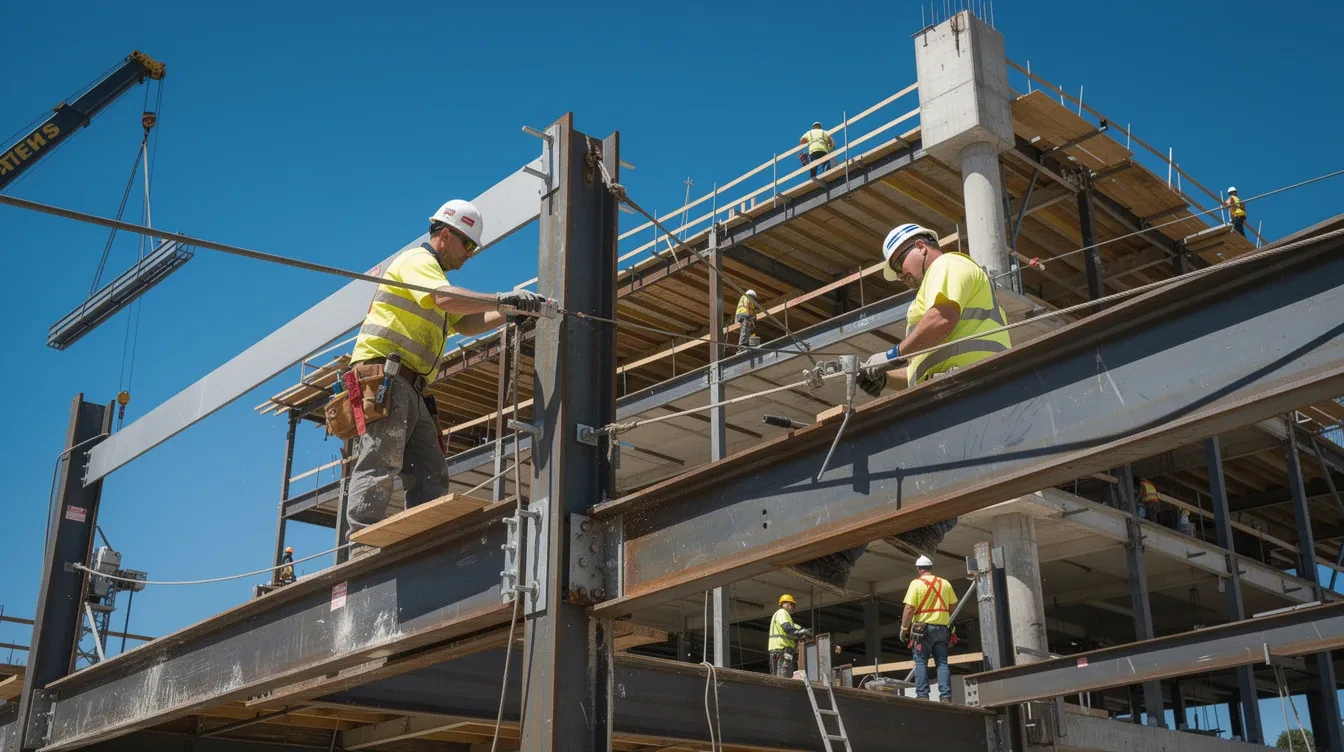
In 2026, most schedule overruns on commercial construction projects come from a handful of recurring issues. While not every delay is preventable, meticulous planning and strategic management dramatically reduce their impact. The construction industry continues to face significant challenges from permitting variability, tightening supply chain conditions, and workforce availability constraints.
Permitting & Inspection Delays
Permitting is one of the most common causes of commercial construction delays, particularly in Southern California where approval timelines vary by municipality. Incomplete permit applications, design revisions, or failed inspections can significantly extend a project’s schedule before construction even begins.
How to Avoid It
- Submit complete, coordinated construction documents.
- Work with a contractor familiar with local permitting requirements.
- Schedule inspections early and address corrections promptly.
- Build realistic permitting timelines into the overall project schedule.
Supply Chain & Material Procurement
Long lead times for materials such as structural steel, electrical equipment, HVAC systems, windows, and specialty finishes can slow construction if procurement is delayed. Waiting until construction begins to order critical materials often creates unnecessary scheduling conflicts.
How to Avoid It
- Identify long-lead materials during preconstruction.
- Approve finishes and equipment selections early.
- Order critical materials before they’re needed on-site.
- Develop contingency plans for potential supply chain disruptions.
Labor Shortages & Trade Coordination
Commercial construction projects depend on multiple skilled trades working in sequence. If one subcontractor falls behind, it can delay every phase that follows. Labor shortages and scheduling conflicts continue to be common challenges across the construction industry.
How to Avoid It
- Secure experienced subcontractors early.
- Maintain a realistic construction schedule.
- Hold regular coordination meetings between trades.
- Monitor project milestones to quickly resolve scheduling conflicts.
Unforeseen Site Conditions
Unexpected site conditions can delay projects regardless of how well they’re planned. Poor soil conditions, underground utility conflicts, environmental concerns, structural deficiencies, or hidden issues within existing buildings often require additional work before construction can continue.
How to Avoid It
- Complete thorough site investigations before construction.
- Perform geotechnical and environmental studies when necessary.
- Budget contingency funds for unforeseen conditions.
- Address existing building deficiencies during preconstruction.
Poor Communication & Project Management
Many commercial construction delays are caused by communication breakdowns rather than construction itself. Misaligned schedules, outdated drawings, delayed approvals, and unclear responsibilities can quickly create costly setbacks.
Strong project management keeps architects, engineers, subcontractors, and owners aligned throughout every phase of construction.
How to Avoid It
- Schedule regular project progress meetings.
- Maintain clear documentation and updated project schedules.
- Use project management software to track milestones and decisions.
- Resolve issues quickly before they impact the critical path.
How Proactive Planning Keeps Your Commercial Construction Project on Schedule
Careful planning transforms risks into a manageable, predictable construction process. Effective project management minimizes costly construction delays, and proactive planning can prevent project delays before they start.
A detailed master schedule built during pre construction, with clearly identified critical path activities and milestones tied to lender or lease requirements, is essential. Realistic scheduling involves building buffer time into high-risk activities. Early coordination with utilities, inspectors, fire departments, and landlords reduces surprise conflicts. Strong project management ensures alignment and swift issue identification across the entire project team and construction team.
Using Experienced Construction Management to Anticipate Delays
Experienced oversight is one of the strongest protections against unforeseen delays. Seasoned project managers anticipate recurring issues – inspection backlogs, city-specific quirks, seasonal weather, utility company timing – and plan around them. Tools like risk registers, phased procurement strategies, and early specialist involvement de-risk the project schedule.
Ironside’s experience with commercial builds and tenant improvements across Southern California means lessons learned from past projects – like our work on retail and studio fit-outs – directly inform future projects. Treat construction management as a value-adding service, not just a cost, because of its direct impact on schedule certainty and successful completion.
Planning Your Next Commercial Construction Project with Ironside Building
Understanding the commercial construction timeline – from the initial phase through handover – helps owners make better decisions and avoid costly delays. The most common delay drivers (permits, supply chain, labor, unforeseen site conditions, scope changes, and poor communication) are all manageable with meticulous planning and experienced oversight.
Involve Ironside Building early – during site evaluation or concept design – so our team can shape a realistic schedule and budget from day one. For your next project, schedule a consultation, share preliminary drawings, or ask us to review an existing project timeline for gaps. Ironside Building, LLC is a full-service Southern California general contractor focused on clarity, craftsmanship, and accountable construction management that keeps every commercial project on track.